



29/05/2026 As cocktail culture fuels renewed growth in America’s largest spirits category, craft producers like T3 Vodka are capitalising on rising demand for premium, naturally made spirits
The American vodka market is experiencing a remarkable transformation, driven by an unexpected cocktail culture boom that's breathing new life into on-premise venues across the country. With the category commanding 30% of all spirits volumes in the U.S. as of 2023 and a market valuation approaching $4 billion, vodka's evolution tells a broader story about changing consumer preferences and the premiumization of everyday drinking experiences.
The On-Premise Advantage
While craft spirits have made significant inroads in retail settings—artisanal brands like Tito's have become household names in the off-premise channel—it's the on-premise space where vodka's versatility truly shines. Bars, restaurants, and entertainment venues have become laboratories for mixologists experimenting with vodka-based cocktails that showcase the spirit's adaptability as a canvas for creative flavor profiles.
This cocktail-driven demand has created opportunities for vodka producers who prioritize quality and craftsmanship over mass production. The statistics speak volumes: 41% of U.S. consumers aged 21-44 are actively seeking more premium spirits in 2024, while 43% of younger respondents specifically intend to consume vodka made with natural ingredients. These aren't casual preferences—they represent a fundamental shift in how Americans approach their spirits.
The Sustainability and Quality Imperative
Today's vodka consumer is informed, discerning, and value-conscious in ways that extend beyond price points. With 58% of U.S. consumers considering sustainability important when purchasing alcohol, the industry faces pressure to demonstrate environmental responsibility alongside product excellence. This dual mandate has pushed producers to rethink everything from ingredient sourcing to production methods.
Regional markets like California, New York, and Florida continue to dominate consumption, but emerging markets throughout the Southeast are gaining traction. Tennessee, in particular, has witnessed growth in locally-produced premium spirits, with consumers showing increased interest in brands that combine traditional craftsmanship with contemporary production standards.
Craftsmanship Meets Competition
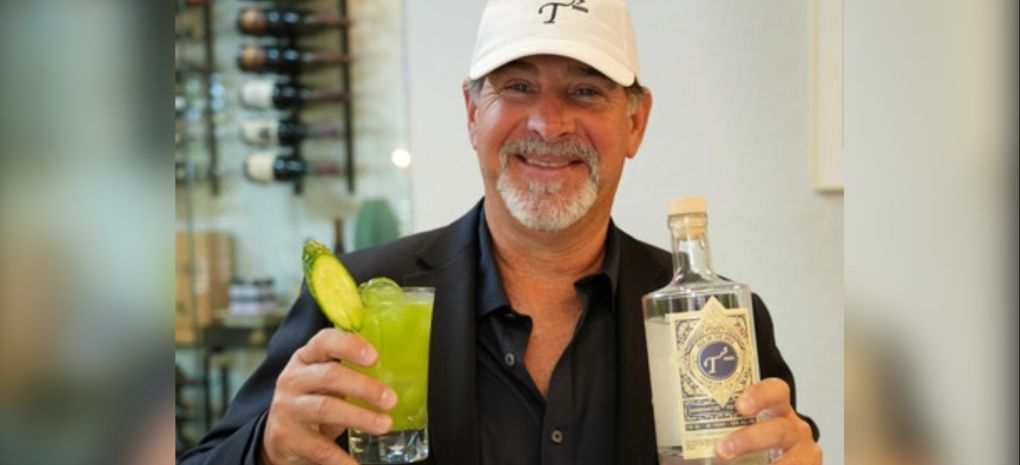
The landscape has become increasingly competitive, with both established global players and emerging craft producers vying for shelf space and bar placement. T3 Vodka, a Knoxville-based distiller, exemplifies this new wave of American craft vodka makers earning recognition in the premium category. The brand's approach—an 80-proof spirit that undergoes a 10-step filtration process—reflects the meticulous attention to detail that contemporary consumers have come to expect.
Founded by entrepreneur Mark Lester, whose nickname "T3" originated from a memorable day on the golf course, the brand has accumulated awards from competitions including the Bartender Spirits Awards, Miami Global Spirit Awards, and Las Vegas Global Spirit Awards. Industry publications have noted T3's profile of lemon zest, orange oil, and spring flowers, with Forbes Magazine describing it as "silky and viscous on the palate" with "clean and dry" finishing notes.
The brand's recent partnership as the Official Vodka of Bristol Motor Speedway illustrates an interesting strategic direction—aligning premium spirits with experiential entertainment venues where on-premise consumption drives brand discovery. By establishing the T3 Vodka 360 Bar and creating signature cocktails for NASCAR race weekends, the brand is positioning itself where the action happens: in venues where consumers are already primed for premium experiences.
Looking Forward
The vodka category's trajectory suggests continued growth, particularly for producers who can authentically communicate their production methods, ingredient quality, and brand narrative. Social media influence and storytelling have become as important as the liquid itself, with consumers increasingly willing to pay premium prices for spirits that align with their values.
As the market matures, the distinction between commodity vodka and craft offerings will likely sharpen. Brands that can demonstrate genuine craftsmanship while meeting consumer demands for sustainability, natural ingredients, and versatility in cocktail applications are positioned to capture the attention—and loyalty—of America's evolving spirits consumer.
For on-premise operators, the message is clear: vodka isn't just a well staple anymore. It's a category ripe for exploration, education, and elevation. The cocktail culture that's driving current growth shows no signs of slowing, and the brands that understand this moment—that recognize vodka's unique position as both accessible and aspirational—will define the category's next chapter.
Enter the 2027 Bartender Spirits Awards for expert evaluation from U.S. bartenders and on-premise buyers. Receive detailed scores, practical feedback on how to improve, market and sell your spirits, and see who judged your products.